The Ideal Daytime Sleep Routine for Night Shift Workers
If you’ve ever dragged yourself home after a night shift sun blazing, world waking up, your body screaming for rest, you know how frustrating daytime sleep can be. You shower, grab a small bite, collapse into bed… and then the tossing and turning begins. Light, noise, and daytime activity feel like your worst enemies.
But it doesn’t have to be that way. With a strategic routine, you can train your body to get restorative, high-quality daytime sleep that leaves you feeling human again.
Below is a practical, evidence-informed game plan to help night shift workers create the ideal sleep routine after a shift.
1. Start With Mindfulness After Your Shift
Before you jump into bed, give your mind a chance to unwind. A quick 5–10 minute mindfulness or breathing session, even done in the shower, can help lower cortisol, ease stress from the shift, and signal your brain that it’s time to power down.
This simple habit primes your body for deeper rest.
2. Choose a Light, Balanced Post-Shift Meal
Heavy, sugary, or high-fat meals force your digestive system into overdrive, which can disrupt sleep. Instead, aim for something light, high-protein, and simple, such as:
- Eggs
- Oatmeal
- Greek yogurt
- A small smoothie
These options stabilize blood sugar without overstimulating your system.
3. Set Up a Sleep-Optimized Bedroom
Your environment is one of the most important factors in daytime sleep. Set your room up for success:
- Blackout curtains or a sleep mask
- No digital devices in the bedroom
- Cool temperature: Aim for 65–68°F (18–20°C)
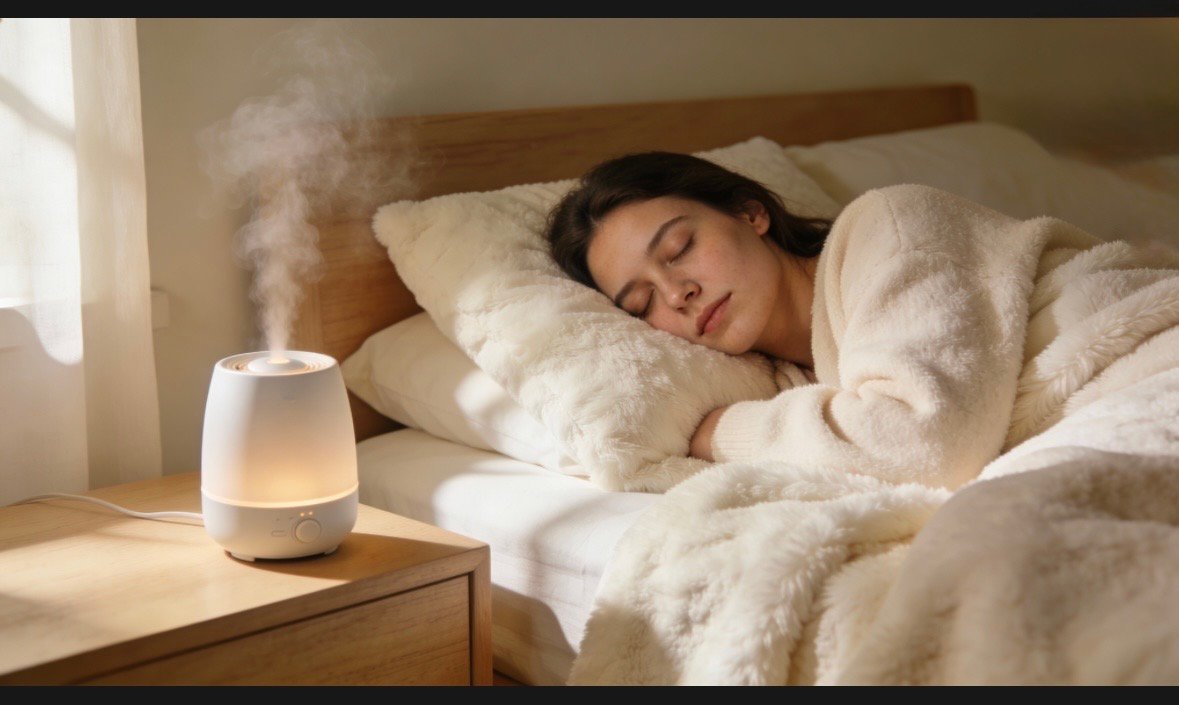
- Comfortable bedding with soft textures
Your goal is to create a cave-like environment where your body can switch into sleep mode.
4. Block Out Noise
The world is loud during the day. Combat it with tools that help you stay in deep sleep:
- Foam or silicone earplugs
- A white noise machine
- Over-ear sleep muffs
- A sleep mask with built-in sound dampening
Consistency is key. Protect your sensory environment.
5. Prioritize Both Quality and Quantity
Shift workers need the same total sleep as everyone else—7–9 hours per day (CDC).
You may need to split this into a longer stretch after your shift + a short nap later. The goal is restorative cycles, not perfection.
6. Avoid Phone Use Before Bed
Scrolling exposes you to blue light, which suppresses melatonin and throws off circadian rhythm.
If you struggle to disconnect, try:
- Plugging your phone in outside the bedroom
- Using a red-light filter
- Switching to an audiobook or calming music instead
7. Cut Off Caffeine at Least 8 Hours Before Sleep
Even if you “feel fine,” caffeine lingers in your system far longer than you realize.
Aim to stop coffee or energy drinks 8 hours before your planned sleep time to prevent delayed sleep onset.
Conclusion
Sleeping during the day as a night shift worker isn’t easy but it is manageable when you build a consistent routine. Once you repeat the same steps after every shift, your body starts to learn the rhythm. You’ll fall asleep faster, stay asleep longer, and wake up feeling more restored instead of drained.
Shift work doesn’t have to steal your life outside of work. I work night shifts as a nurse myself, I love my job, but if you fail to take measures to achieve high quality sleep, performance during and after work will suffer. These small, intentional habits can help you reclaim your rest, your health, and your energy.
Disclaimer:
This blog is for informational and educational purposes only and is not intended as medical advice, diagnosis, or treatment. The content reflects general nutrition and sleep research but may not apply to every individual, especially those with medical conditions, dietary restrictions, or sleep disorders. Always consult with a qualified healthcare professional—such as a physician, registered dietitian, or sleep specialist—before making changes to your diet, sleep routine, or lifestyle, particularly if you work nontraditional or rotating shifts. Reliance on any information provided in this article is solely at your own risk.
Sources
American Academy of Sleep Medicine. (2014). International classification of sleep disorders (3rd ed.). Darien, IL. https://aasm.org/
Åkerstedt, T. (1998). Is there an optimal sleep–wake pattern in shift work? Scandinavian Journal of Work, Environment & Health, 24(Suppl 3), 18–27. https://www.jstor.org/stable/40966833
Centers for Disease Control and Prevention. (2024). Sleep and sleep health. https://www.cdc.gov/sleep/about/index.html
Sleep Foundation. (n.d.). Best temperature for sleep. https://www.sleepfoundation.org/bedroom-environment/best-temperature-for-sleep